
Lidocaine vs Menthol vs Camphor vs Capsaicin: What Each Rub Actually Does
By Mark from Outback, The Outback Series customer care7 min read
The short answer
- Lidocaine numbs. It is a local anesthetic that stops nerves in that patch of skin from sending pain signals. Over-the-counter creams, roll-ons and patches go up to 4%.
- Menthol cools. It switches on the skin's cold-sensing nerves, creating an icy tingle that grabs your attention. It is often paired with camphor or methyl salicylate (wintergreen).
- Capsaicin heats. It comes from chili peppers. It burns at first, and with regular use the burning usually fades after several days. All three share the same basic rules: intact skin only, no heating pad, no tight bandage, wash your hands, follow the label.
The quick comparison
| Lidocaine | Menthol | Capsaicin | |
|---|---|---|---|
| What it feels like | Numb, or not much at all | Cold, then sometimes warm and tingly | Warm to hot; can burn at first |
| How it works | Blocks nerve signals from the skin | Triggers the skin's cold receptors | Acts on pain-sensing nerve cells in the skin |
| Smell | Usually little | Strong mint | Usually little |
| Common forms | Cream, roll-on, patch | Gel, cream, roll-on, spray, patch | Cream, lotion, patch |
| Watch out for | Label time limits | Heat, bandages and strong smell | Eyes, hands and heat |
Lidocaine: the numbing one
Lidocaine is the same family of medicine your dentist uses, in a much milder form. MedlinePlus explains that it works by stopping nerves from sending pain signals. Over-the-counter products top out at 4%; stronger 5% patches are prescription only.
- Over-the-counter 4% patches are typically used up to 3 to 4 times a day, for no more than 8 hours per application.
- Stop and call your doctor if pain lasts more than 7 days, or gets better and then worse.
- Keep heat away. No heating pads or electric blankets over a lidocaine product.
- Intact skin only, never on cuts, rashes or burns.
Menthol: the cooling one (and its cousins)
Menthol, from mint, is a counterirritant. It switches on the nerve receptors that sense cold, and that strong feeling gives your brain something else to pay attention to. Camphor adds a cool-then-warm feeling, and methyl salicylate (wintergreen) adds warmth and the classic locker-room smell. Many rubs combine two or three of them.
In 2012, the FDA warned about rare but serious skin burns from over-the-counter muscle and joint rubs containing menthol, methyl salicylate or capsaicin, sometimes after a single use. Its advice: do not apply them to damaged or irritated skin, do not cover the area with a bandage, and never use a heating pad, hot water bottle or heat lamp on top.
Capsaicin: the warming one
Capsaicin is the compound that makes chili peppers hot. According to MedlinePlus, it acts on nerve cells in the skin that are associated with pain. Expect burning, redness or stinging where you apply it, which generally fades after several days of use.
- Wash your hands after applying. If you put it on your hands, wait 30 minutes before washing them.
- Keep it out of your eyes, nose and mouth. This is the number one capsaicin mistake.
- No heat and no bandages over the area, and limit sun on that skin.
- Call your doctor if you get pain, swelling or blistering where you applied it.
How to choose by what you want to feel
| If you want | Consider | Keep in mind |
|---|---|---|
| A numb feeling, little smell | Lidocaine | Follow the label time limits |
| A cold tingle you can feel right away | Menthol | Strong mint smell; no heat on top |
| Warmth, and you will use it daily | Capsaicin | Burns at first; wash hands well |
| No hot, cold or numb feeling, just a massage routine | A menthol-free massage oil | It is a massage oil, not a medicated rub |
Mark's tipWhen someone tells me their rub "did nothing" or was "way too strong", it is usually the wrong sensation for them. If you hate the cold, menthol will never feel right. If you dislike numbness, lidocaine will feel strange. Pick the feeling you actually like, then read the label for that ingredient.
Safety rules for all three
- Use on clean, intact skin, never on cuts, scrapes, rashes or sunburn.
- No heating pads, hot water bottles, heat lamps or tight bandages over the area.
- Wash your hands after applying, and keep every product away from your eyes.
- Do not layer different medicated rubs on the same spot unless a doctor or pharmacist says it is fine.
- Ask your pharmacist first if you take blood thinners, are allergic to aspirin (some rubs contain salicylates), are pregnant, or have a medical condition.
- Stop and get help if the skin blisters, swells or truly hurts.
Where Outback fits

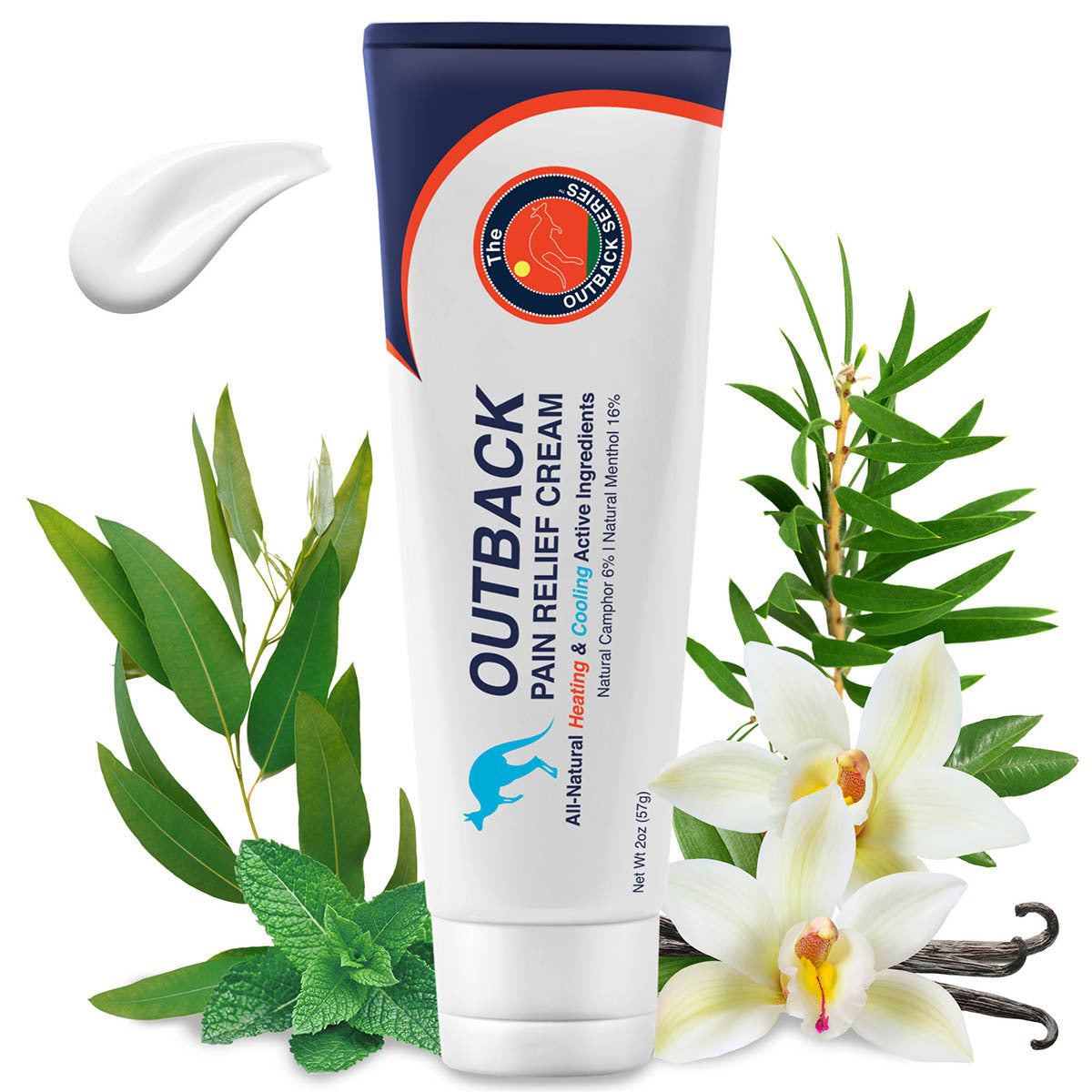
Outback Pain Relief Cream
Our menthol option. Natural menthol and camphor on top of four Australian oils, for temporary relief of minor aches and pains of muscles and joints. A cooling and warming feeling with a fresh mint scent. Use as the label directs, and never with a heating pad. Covered by our 365-Day Returnless Refund.
See the creamPrefer none of the three? Outback Original Oil has no lidocaine, menthol or capsaicin. It is four plant ingredients, Blue Mallee eucalyptus, Australian tea tree, olive oil and vanilla, for a comfort and massage routine with nothing that burns or freezes. Not sure which fits you? Read oil or cream: which Outback is right for me? Trying Outback for the first time? Our bundles come with a free 7-Day Pack of single-use sachets.
Try Outback for a full year
Four Australian plant ingredients, nothing that burns or freezes. Every order is covered by our 365-Day Returnless Refund, ships the same business day when you order by 2pm ET, and ships free on orders of $40 or more.
Shop OutbackFrequently asked questions
Which is better, lidocaine or menthol?
Neither is better for everyone. Lidocaine numbs and usually has little smell. Menthol creates a cold tingle you feel right away and has a strong mint smell. Pick the sensation you prefer and follow the label.
Can you use lidocaine and menthol together?
Some products combine both in one formula, used as their label directs. Do not layer separate medicated rubs on the same spot unless your doctor or pharmacist says it is fine.
Why does capsaicin cream burn?
Capsaicin comes from chili peppers and acts on pain-sensing nerves in the skin, so a warm or burning feeling at first is expected. It generally fades after several days of use. Blistering, swelling or real pain means stop and call your doctor.
Can I use a heating pad with a muscle rub?
No. Labels for menthol, methyl salicylate, capsaicin and lidocaine products warn against heat on top, because it raises the risk of skin burns and irritation.
Is camphor the same as menthol?
No. Both are counterirritants and often appear together, but menthol comes from mint and feels cold, while camphor gives a cool-then-warm feeling and a sharp, medicinal smell.
More Outback guides
- Menthol-free muscle rub: why people switch
- Muscle rub without a strong smell
- Oil or cream: which Outback is right for me?
- Roll-on, cream, spray or patch: which is easiest?
Sources: MedlinePlus: Lidocaine Transdermal Patch; DailyMed: Lidocaine 4% Cream label; MedlinePlus: Capsaicin Topical; FDA Consumer Update: Topical Pain Relievers May Cause Burns (2012, archived); Cleveland Clinic: Topical NSAID creams and gels (2025).
This guide is general information, not medical advice. Lidocaine, menthol, camphor, methyl salicylate and capsaicin products are medicines: read and follow the label, and ask your doctor or pharmacist before use if you have a medical condition, are pregnant, or take other medications.