
Foods High in Magnesium: An Easy List for Every Meal
By Mark from Outback, The Outback Series customer care6 min read
The short answer
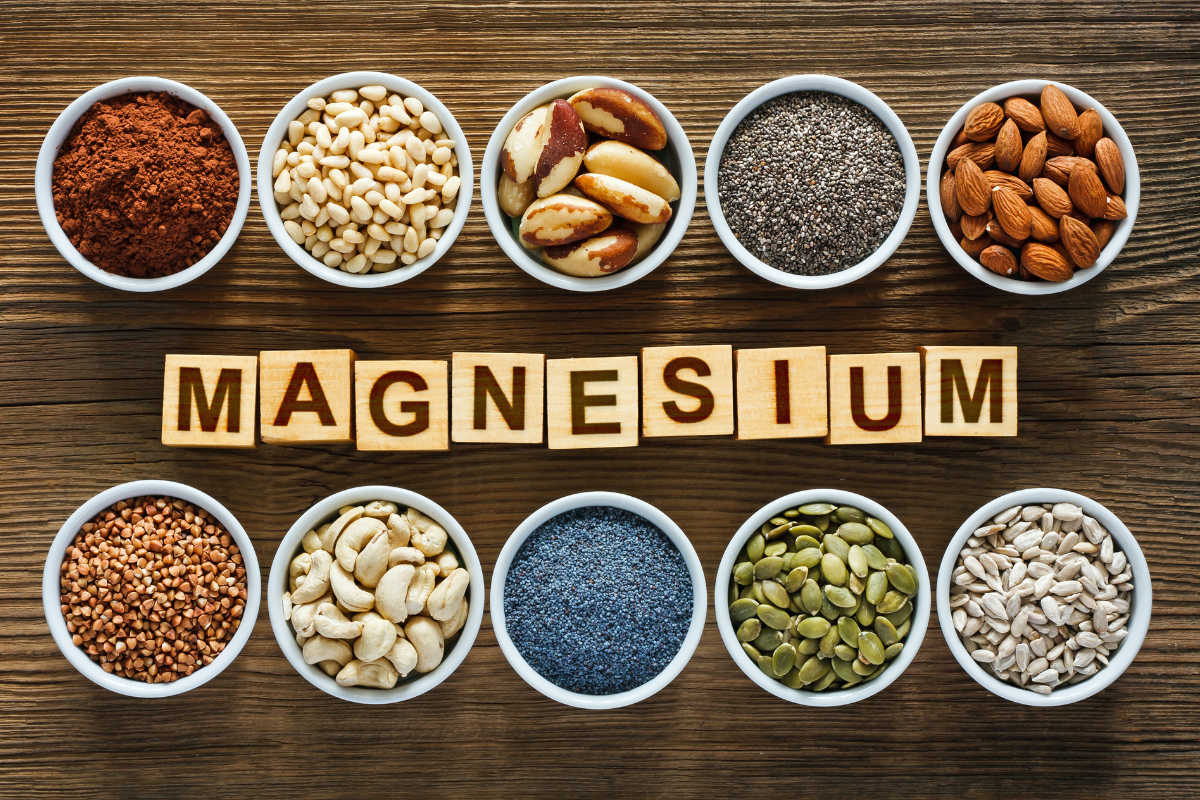
- The foods highest in magnesium are seeds, nuts, beans and leafy greens. Per serving, the top of the NIH list is pumpkin seeds (156 mg per ounce), chia seeds (111 mg), almonds (80 mg), cooked spinach (78 mg per half cup), cashews (74 mg) and black beans (60 mg per half cup).
- Adults over 50 need about 420 mg a day (men) or 320 mg (women). A handful of almonds, beans at lunch and spinach at dinner gets most people most of the way there.
- Magnesium from food is not a problem for healthy people, because your kidneys clear the extra. The 350 mg daily limit applies to supplements only.
Why magnesium is worth a look after 50
Magnesium is a mineral your body uses in hundreds of processes, including normal muscle and nerve function. The National Institutes of Health (NIH) notes that many people in the US get less than they should from food, and older adults are more likely to fall short.
The good news: it is in plenty of everyday foods. A few swaps and one or two foods from the list at each meal is all it takes.
How much magnesium do you need?
| Who | Daily target (food plus supplements) |
|---|---|
| Men 51 and older | 420 mg |
| Women 51 and older | 320 mg |
| Upper limit from supplements (adults) | 350 mg |
| Daily Value on food labels | 420 mg |
The Daily Value (DV) is the number behind the "% DV" on a Nutrition Facts label. A food with 20% DV or more per serving counts as a high source. Only about 30% to 40% of the magnesium in food is absorbed, which is one more reason to spread it across the day.
The top foods high in magnesium
| Food | Serving | Magnesium | % DV |
|---|---|---|---|
| Pumpkin seeds, roasted | 1 ounce | 156 mg | 37% |
| Chia seeds | 1 ounce | 111 mg | 26% |
| Almonds, dry roasted | 1 ounce | 80 mg | 19% |
| Spinach, boiled | 1/2 cup | 78 mg | 19% |
| Cashews, dry roasted | 1 ounce | 74 mg | 18% |
| Peanuts, oil roasted | 1/4 cup | 63 mg | 15% |
| Shredded wheat cereal | 2 large biscuits | 61 mg | 15% |
| Soymilk, plain or vanilla | 1 cup | 61 mg | 15% |
| Black beans, cooked | 1/2 cup | 60 mg | 14% |
| Edamame, shelled, cooked | 1/2 cup | 50 mg | 12% |
| Peanut butter, smooth | 2 tablespoons | 49 mg | 12% |
| Potato, baked with skin | 3.5 ounces | 43 mg | 10% |
| Brown rice, cooked | 1/2 cup | 42 mg | 10% |
| Plain low-fat yogurt | 8 ounces | 42 mg | 10% |
| Instant oatmeal | 1 packet | 36 mg | 9% |
| Banana | 1 medium | 32 mg | 8% |
Numbers are from the NIH Office of Dietary Supplements. Seeds and nuts win per bite, so they are the easiest way to add magnesium without changing your meals.
An easy day of magnesium, meal by meal
Here is one ordinary day that adds up to about 480 mg, comfortably above the target for both men and women over 50. No supplements, nothing hard to find.
| Meal | What to eat | Magnesium |
|---|---|---|
| Breakfast | Instant oatmeal, a sliced banana and a cup of milk | About 95 mg |
| Mid-morning | A small handful of almonds (1 ounce) | 80 mg |
| Lunch | Half a cup of black beans with half a cup of brown rice | About 100 mg |
| Afternoon | An apple with 2 tablespoons of peanut butter | About 58 mg |
| Dinner | 3 ounces of salmon, half a cup of cooked spinach and a baked potato with the skin | About 147 mg |
| Total | About 480 mg |
Not a fish or bean person? Swap in a chicken breast (22 mg), a cup of soymilk (61 mg) or half a cup of edamame (50 mg) as a snack. Every food on the list counts.
Easy swaps that add magnesium
- White rice to brown rice: 10 mg to 42 mg per half cup.
- Chips to pumpkin seeds: a one-ounce snack with 156 mg.
- Sugary cereal to shredded wheat: 61 mg in two biscuits.
- Butter on toast to peanut butter: 49 mg in two tablespoons.
- Iceberg salad to wilted spinach: cooked spinach packs 78 mg per half cup.
- Fries to a baked potato with the skin on: 43 mg, and the skin is where a lot of it is.
Mark's tipCustomers who stick with this tell me the trick is keeping one jar of roasted pumpkin seeds or almonds right next to the coffee maker. A small handful with your morning cup and you are a third of the way there before breakfast is over.
Food first, then a supplement if you need one
Most people can get what they need from food. A supplement can help if your appetite is small, you do not eat many seeds, nuts or beans, or your doctor suggests one.
- Keep supplements to 350 mg a day or less unless your doctor tells you otherwise. Food does not count toward that limit.
- Choose a well-absorbed form such as magnesium glycinate (bisglycinate) or citrate.
- Check with your doctor first if you have kidney problems, or take antibiotics, bone-density medicine, water pills (diuretics) or long-term acid-reflux medicine.
- Too much from supplements usually shows up as loose stools, nausea or stomach cramps.
More on timing and forms in our guide to when to take magnesium for sleep.
Our magnesium for evenings

Outback Magnesium+
300 mg of magnesium per 3-capsule serving from magnesium citrate and bisglycinate chelate, under the 350 mg daily limit for supplements, plus vitamins B6 and B12, folate, zinc, and a blend of cramp bark and passionflower. Made in the USA. Made to support relaxation and restful sleep.* $29.95, covered by our 365-Day Returnless Refund.
See Magnesium+Pair it with a magnesium-rich dinner and a simple wind-down, like a two-minute foot massage before your socks go on.
Try Magnesium+ for a full year
Made in the USA and covered by our 365-Day Returnless Refund. Orders placed by 2pm ET ship the same business day and usually arrive in 3 to 7 days, and shipping is free on orders of $40 or more.
See Magnesium+Frequently asked questions
What food is highest in magnesium?
Per serving, pumpkin seeds top the NIH list at 156 mg per ounce, followed by chia seeds (111 mg), almonds (80 mg), cooked spinach (78 mg per half cup) and cashews (74 mg).
Which fruit has the most magnesium?
Fruit is not a big source. Among common fruits on the NIH list, a medium banana has the most at 32 mg, followed by half a cup of raisins (23 mg) and half a cup of avocado (22 mg).
How much magnesium do I need a day after 50?
About 420 mg a day for men and 320 mg for women, from food and supplements combined. Supplements alone should stay at 350 mg a day or less unless your doctor advises otherwise.
Can you get too much magnesium from food?
Not if you are healthy. The NIH says magnesium from food does not pose a risk for healthy people because the kidneys remove the extra. If you have kidney problems, ask your doctor what is right for you.
Is it better to get magnesium from food or supplements?
Food first. It comes with fiber and other nutrients, and there is no upper limit for healthy people. A supplement can fill the gap if your diet falls short.
More Outback guides
- When to take magnesium for sleep
- Outback Magnesium+
- How to massage your own feet
- Which Outback is right for me?
Sources: NIH Office of Dietary Supplements: Magnesium Fact Sheet for Health Professionals; NIH Office of Dietary Supplements: Magnesium Fact Sheet for Consumers.
*These statements have not been evaluated by the Food and Drug Administration. This product is not intended to diagnose, treat, cure, or prevent any disease. This guide is general information, not medical advice. Talk with your doctor before starting a supplement or changing your diet, especially if you have kidney problems or take medications.